
What Is Generative AI?
Artificial intelligence has been part of everyday technology for years, but generative AI represents a shift in what these systems can do. Earlier systems were designed to analyze, classify, or predict. Generative AI produces new content, including text, images, video, audio, and code, in response to a prompt or instruction. This capability is what made tools such as AI assistants, image generators, and voice synthesis systems feel distinctly different from earlier forms of AI.
Understanding generative AI matters because it is no longer limited to research environments or large organizations. It is widely accessible and increasingly built into tools used for work, education, and daily tasks. That accessibility creates both opportunities and risks. Navigating those tradeoffs requires a clear understanding of how these systems work, what they are capable of, and where their limitations begin.
While generative AI has many practical uses, it is also used in deceptive contexts such as AI scams and fraud.

How Generative AI Creates Things
Generative AI systems are trained on large collections of existing human-created content. A text model is trained on written material such as books, articles, and websites. An image model is trained on datasets of photographs and illustrations. Through this process, the system learns patterns and structures within the data and uses them to generate new outputs that follow similar patterns.
These systems do not retrieve a stored answer or pull from a fixed database. Each response is generated at the time it is requested, based on probabilities derived from training data. This is why similar prompts can produce different results, and why those results are not guaranteed to be accurate.
A practical guideline is this: generative AI is effective at producing structured and convincing content, but it is not a reliable source of truth. Important information should be verified using independent, credible sources.
What Makes It Powerful
Generative AI can produce usable drafts of text, images, and other content in seconds. It can scale across large numbers of users without loss of speed, and it lowers the barrier to entry for tasks that previously required specialized skills, such as writing, design, or coding. This has made it a widely adopted tool for productivity and creative work.

What Makes It Risky
Because generative AI relies on pattern recognition rather than factual understanding, it can produce incorrect information with a high degree of confidence. This is often referred to as hallucination. The system has no awareness of external reality and no built-in ability to verify what it generates.
It also raises questions about authorship, copyright, and transparency. As AI-generated content becomes more realistic, it becomes more difficult to determine whether something was created by a person or a machine. This has direct implications for trust, especially in online information environments.
These risks highlight why responsible AI use is important when interacting with or relying on AI-generated content.
Generative AI in Practice: Common Tools and What They Do
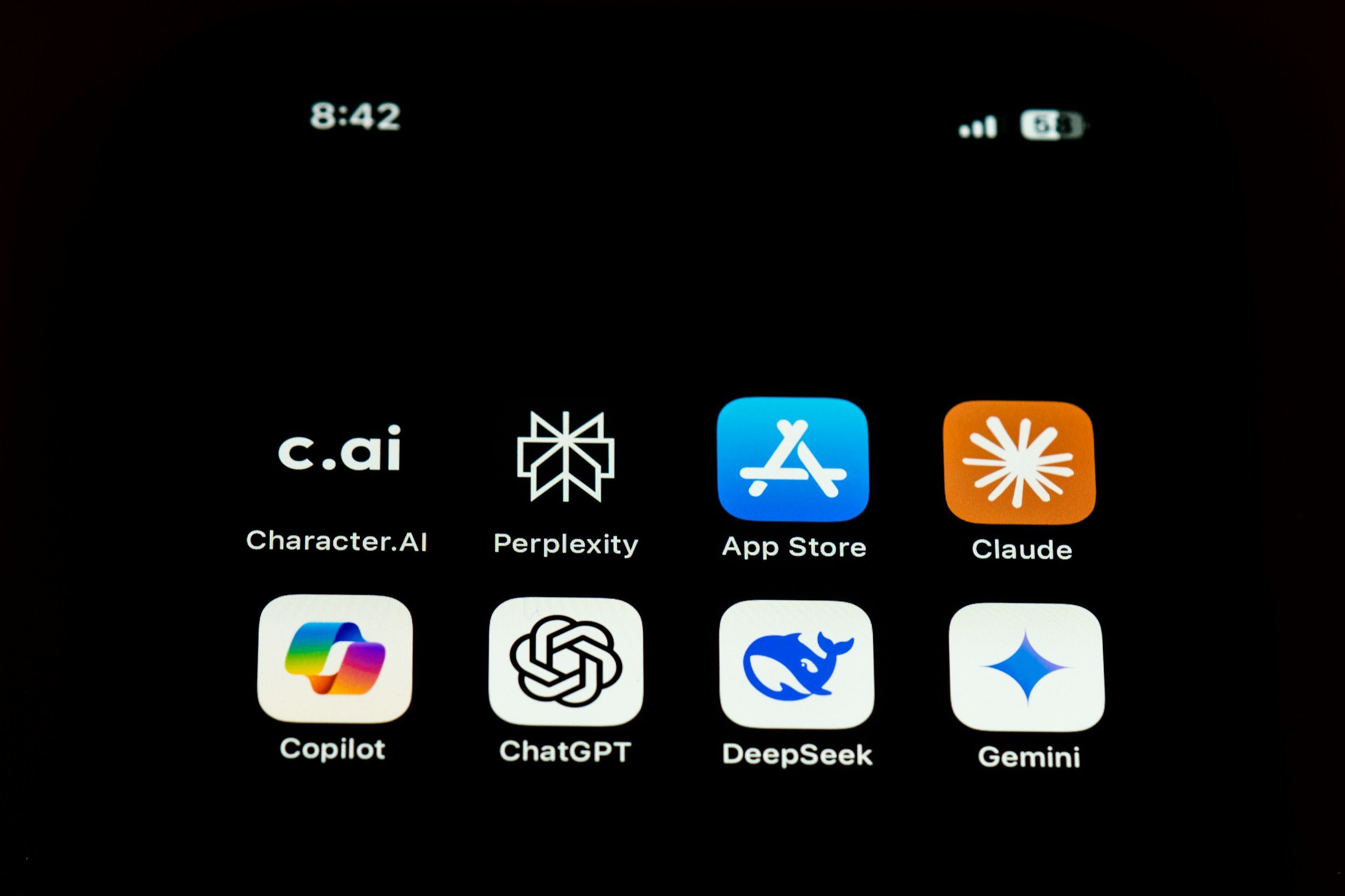
Generative AI is now integrated into workplace software, creative tools, search platforms, and consumer applications. Understanding what these tools do, and how they differ, is an important step in using them responsibly and evaluating their outputs.
The categories below include conversational AI, image generation, video creation, voice synthesis, coding assistance, and writing tools. They are provided for educational purposes only. This site does not endorse or rank specific products. Because capabilities change quickly, users should verify current features and terms directly with each providerGenerative AI is built into workplace software, creative platforms, search engines, and consumer apps that millions of people use every day. Understanding what these tools actually do and how they differ from one another is the first step toward using them thoughtfully and evaluating them critically.
The tools below cover several major categories including conversational AI, image generation, video creation, voice synthesis, coding assistance, and writing support. They are included strictly for educational purposes. HowToKnowAI does not endorse, recommend, or rank any tool listed on this page. Generative AI evolves rapidly, so readers are encouraged to verify current features and terms directly with each provider.
-
ChatGPT is a conversational AI system developed by OpenAI that generates text responses based on user prompts. It is widely used for writing, summarizing, research assistance, brainstorming, and basic coding help. Its limitations include occasionally producing incorrect or outdated information and lacking the genuine understanding or judgment a knowledgeable person would bring to the same task.
Claude is an AI assistant developed by Anthropic, designed with a focus on safety, accuracy, and helpfulness in text-based tasks. It is commonly used for long-form writing, document analysis, and structured reasoning. Its limitations include occasionally declining to engage with certain types of requests due to its built-in safety guidelines.
Google Gemini is Google's multimodal AI system capable of processing and generating text, images, and data. It is commonly used for writing, research, and productivity tasks, particularly within Google's ecosystem of products. Its limitations include variability in response quality and the fact that some of its more advanced features are tied to Google's broader platform.
Grammarly is an AI-powered writing assistant developed by Grammarly, Inc. that helps improve grammar, clarity, style, and tone. It is widely used for editing emails, documents, and professional communications. Its limitations include a restricted ability to generate original long-form content and a tendency to occasionally overcorrect natural writing choices.
Perplexity AI is an AI-powered search and answer engine that combines conversational responses with real-time web results and source citations. It is commonly used for research, fact-checking, and finding current information. Its limitations include a reliance on external sources that vary in quality and an occasional tendency to oversimplify complex topics.
-
DALL·E is an image generation model developed by OpenAI that creates images from written text descriptions. It is commonly used for producing illustrations, concept art, and marketing visuals. Its limitations include occasional inaccuracies in fine details and built-in content restrictions that limit certain types of image requests.
Midjourney is an AI image generation tool known for producing highly stylized and artistic visuals. It is widely used by designers and creative professionals for concept development and visual exploration. Its limitations include less precise control over specific details and a reliance on prompt experimentation to achieve desired results.
Stable Diffusion is an open-source image generation model originally developed by Stability AI that can be run locally on a personal computer. It is used for highly customizable image creation and has a large community of developers building on top of it. Its limitations include a more technical setup process compared to other tools and a higher potential for misuse given its open and largely unrestricted nature.
Adobe Firefly is a generative AI system developed by Adobe and integrated directly into its creative software, including Photoshop and Illustrator. It is designed for generating images, textures, and design elements within existing professional creative workflows. Its limitations include being tied closely to Adobe's ecosystem and requiring an active subscription for full access to its capabilities.
-
Sora is a text-to-video AI model developed by OpenAI that generates realistic video clips from written prompts. It is used for concept visualization, storytelling, and media production. Its limitations include restricted public availability and difficulty maintaining consistency and coherence in longer or more complex scenes.
Runway is an AI platform developed by Runway AI that provides tools for video generation, editing, and visual effects. It is commonly used for content creation, short-form video production, and creative experimentation. Its limitations include rendering inconsistencies and variation in output quality depending on the complexity of the input.
Synthesia is an AI video platform developed by Synthesia that creates videos using realistic digital avatars in place of live human presenters. It is widely used for corporate training, marketing content, and internal communications. Its limitations include restricted emotional range in avatar performances and less flexibility and authenticity compared to video produced with real people.
-
ElevenLabs is an AI voice synthesis platform that generates realistic human-sounding speech from text input. It is widely used for voiceovers, audiobook narration, and content production. Its limitations include serious ethical concerns around voice cloning, including the potential to replicate a real person's voice without their consent, and a broader risk of misuse for deceptive or fraudulent purposes.
PlayHT is a text-to-speech platform that converts written content into natural-sounding audio. It is commonly used for podcast production, accessibility applications, and content narration. Its limitations include reduced expressive nuance compared to a human voice, particularly in content that requires complex emotional delivery.
AIVA is an AI music composition system developed by AIVA Technologies that generates original music from scratch. It is used for producing background music for videos, games, and media projects. Its limitations include constraints on true originality in complex compositions and a dependence on predefined musical styles that can make outputs feel formulaic.

What AI Can and Cannot Do Today
AI performs well in specific areas and remains limited in others. Understanding that distinction is one of the most practical outcomes of this topic. A common mistake is to either overestimate AI or dismiss it entirely. In reality, its strengths and limitations are more specific.
What AI Does Well
Processing large amounts of data: Analyzing thousands of records in moments to find trends that might take a person weeks to spot
Recognizing patterns: Identifying a face in a crowd, a fraudulent transaction among millions, or a tumor in a medical scan
Automating repetitive tasks: Sorting emails, filling in forms, and checking documents for consistency
Generating content: Producing a first draft, translating a document, or creating an image from a text description
Making predictions: Estimating the likelihood of rain, equipment failure, or a delayed delivery based on historical data
Personalizing experiences: Adjusting recommendations, search results, and content based on an individual's past behavior
Where AI Falls Short
True understanding: AI does not understand language, images, or ideas the way humans do. It finds statistical patterns, which means it can produce answers that sound coherent but are completely wrong.
Common sense: Humans bring a lifetime of experience and real-world context to decisions. AI does not have that foundation, which means it can struggle with simple situations that even a child would handle easily using basic judgment.
Emotional and ethical judgment: Deciding what is fair, compassionate, or appropriate in a complex human situation requires values and context that AI systems do not genuinely possess.
Guaranteed accuracy: Even in areas where AI performs well on average, individual outputs can be wrong. AI systems are probabilistic, not certain.
Adapting to genuinely new situations: AI systems are trained on historical data. When something truly unprecedented occurs, the system has no reliable reference point to draw from.
Taking responsibility: If an AI system causes harm, a person or organization must be held accountable. The system itself cannot be.
Common Myths About AI Capabilities
Artificial intelligence is reshaping how people work, learn, and create, but widespread misconceptions about what it actually is and how it works can lead to both unnecessary fear and misplaced confidence. Understanding the reality behind the most common AI myths is one of the most practical steps anyone can take toward using these tools more safely and effectively.

-
AI does not have awareness, emotions, or subjective experience. It processes inputs and generates outputs based on patterns in data, not thoughts, feelings, or genuine understanding.
-
AI is more effective at automating specific tasks than entire roles. Most jobs require judgment, context, communication, and accountability in ways that AI cannot fully replicate.
-
AI does not know facts the way a person does. It generates responses based on statistical patterns in its training data, which means it can produce information that sounds accurate but is incorrect, outdated, or entirely fabricated.
-
AI systems frequently state incorrect information in a calm, authoritative tone. Confident language is a feature of how these systems generate text, not an indicator of accuracy. This is one of the most important things to understand about using any AI tool.
-
AI systems reflect the biases present in their training data and the decisions made by the people who built them. Outputs are shaped by human choices, data sources, and system constraints, which means bias can appear in ways that are not immediately obvious.
-
AI does not truly understand language. It recognizes patterns in text and predicts responses based on those patterns, which can lead to misinterpretation of intent, nuance, and context.
-
This is one of the most common concerns among everyday users, particularly around smart speakers and phone assistants. Most AI tools only activate in response to a specific trigger or direct input. However, it is still worth reading the privacy terms of any AI-powered device or app you use, as data collection practices vary widely by product and provider.

Understanding generative AI is not just about what it can produce, but how to interpret and evaluate those outputs. The next section focuses on how to use AI tools effectively and how to assess the reliability of the information they generate. Next Section: How to Use AI Tool.
Last Reviewed: May 2026