What is Artificial Intelligence?
Artificial intelligence (AI) is no longer a future concept. It is already shaping what people see online, how information is filtered, and how decisions are made across industries. From search results and social media feeds to customer service chatbots and recommendation systems, AI is embedded in everyday digital experiences.
At its core, artificial intelligence refers to systems that can perform tasks typically requiring human intelligence. These include recognizing patterns, understanding language, making predictions, and learning from data. Instead of following only fixed instructions, AI systems improve over time by analyzing large amounts of information.
Understanding how AI works is important not just from a technology standpoint, but from a practical one. AI is increasingly used in areas that affect daily life, including finance, healthcare, hiring, and online content. It is also being used in more sophisticated ways, such as generating realistic images, videos, and text, which can make it harder to distinguish between what is real and what is artificially created.

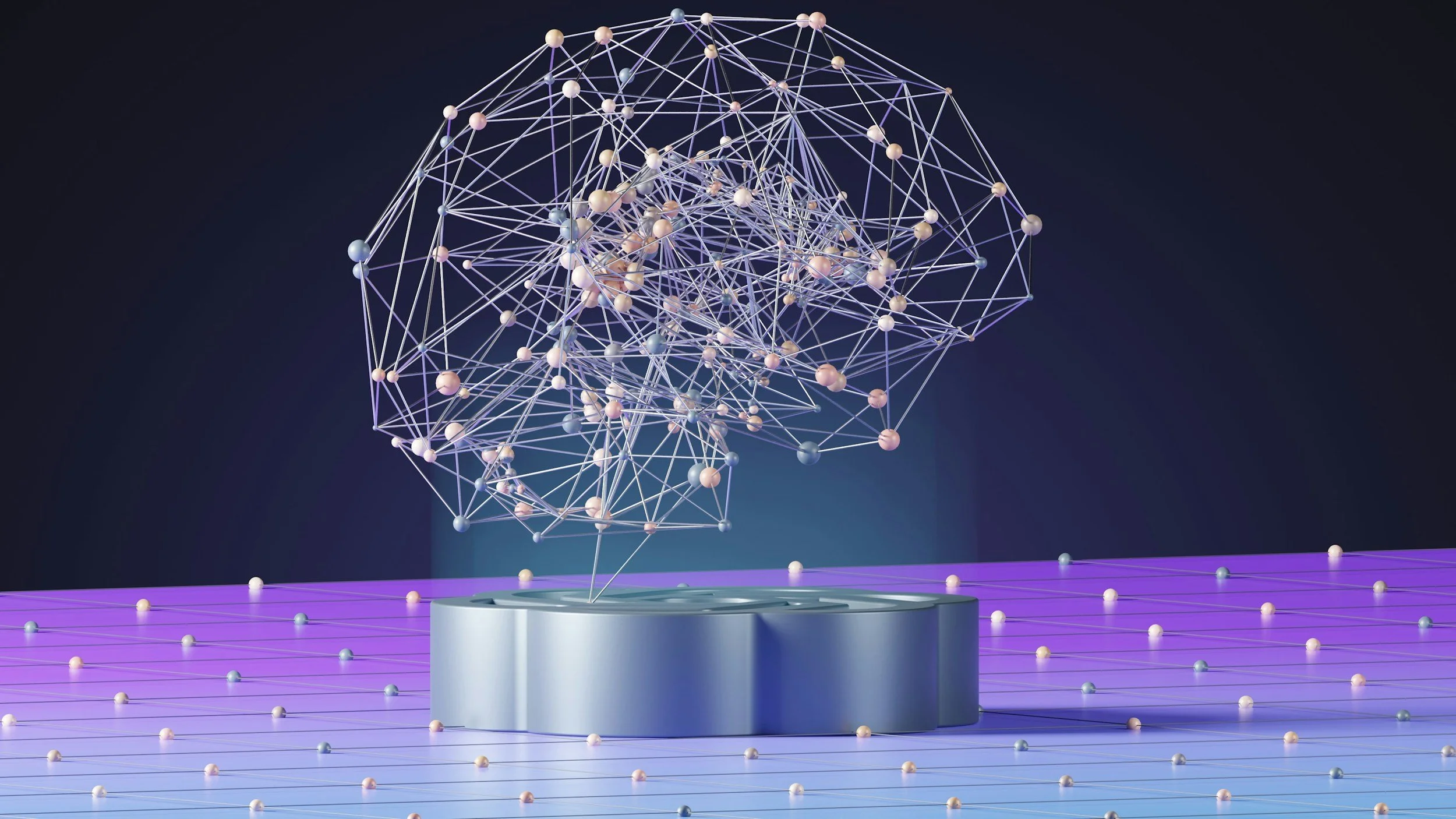
How Artificial Intelligence Works in Simple Terms
Artificial intelligence is not a new idea. The field formally began in the 1950s, when researchers first explored whether machines could simulate aspects of human thinking. The Dartmouth Summer Research Project on Artificial Intelligence is widely considered the starting point of modern AI. For decades, progress was limited by computing power and the availability of data. The acceleration seen today began in the 2010s, when large-scale datasets, more powerful computing, and improved learning methods came together. Many systems that now appear new are the result of that longer development.
Data is the foundation of modern AI systems. These systems are trained on large volumes of information. For example, an image model may be trained on millions of labeled pictures, while a language system may process vast collections of text. Over time, it learns patterns in that data and applies them to new inputs.
The key limitation is this: AI does not understand information in the way people do. It has no awareness, intent, or real-world context. It identifies patterns and generates outputs based on those patterns. In practice, this means AI can produce results that appear accurate or convincing, even when they are not. That matters when evaluating AI-generated content.
The most widely used approach today is machine learning. Instead of being programmed with fixed rules, these systems learn from examples. An email filter, for instance, is trained on large sets of messages labeled as spam or legitimate and learns to recognize the differences. Human input remains part of the process, as reviewers provide feedback that helps improve performance over time.
A more advanced subset is deep learning, which uses layered neural networks to identify more complex patterns in data such as images, speech, and language. It supports many common tools, including voice recognition, translation, and AI-generated text. While these systems can produce highly realistic outputs, they still rely on pattern recognition rather than true understanding, which is an important factor when assessing their reliability.
Types of Artificial Intelligence
When someone says a product "uses AI," they almost always mean it uses a narrow AI system trained to do one specific thing well. It is not a general thinking machine, and it has no awareness of what it is doing or why.
-
Systems built to handle one specific type of task, and only that task. Every AI product you can use today is narrow AI.
-
Artificial general intelligence, often called AGI, refers to a system that could learn and perform any intellectual task a human can. This does not yet exist and remains an active and heavily debated long-term research goal.
-
Artificial superintelligence refers to a hypothetical system that would exceed human intelligence across most or all domains.
It is frequently discussed in academic research and science fiction, but no such system exists today and its development remains entirely speculative.
Real-World Examples of Artificial Intelligence Today
AI may sound like a technology of the future, but it has been quietly embedded in the products and services most people already use. Chances are you encountered it several times today without realizing it. The examples below show just how present it already is in ordinary life.

Online Shopping: Suggesting products based on what you have browsed or purchased
Voice Assistants: Understanding spoken questions and generating spoken answers in real time
Smart Home Devices: Adjusting lighting, temperature, and security settings based on your habits and patterns
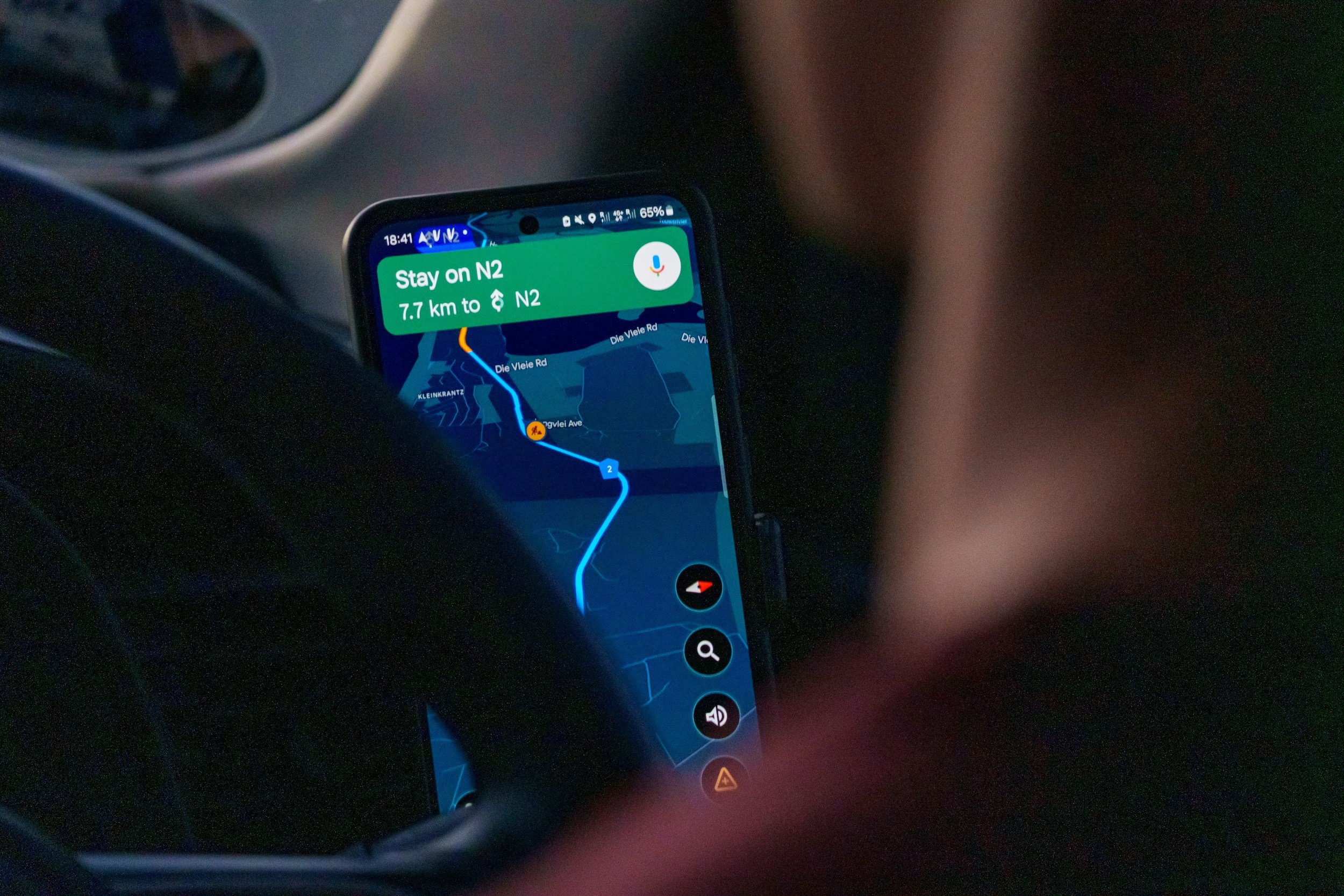
Navigation Apps: Predicting traffic in real time and rerouting as conditions change
Email: Filtering spam, suggesting sentence completions, and flagging suspicious messages
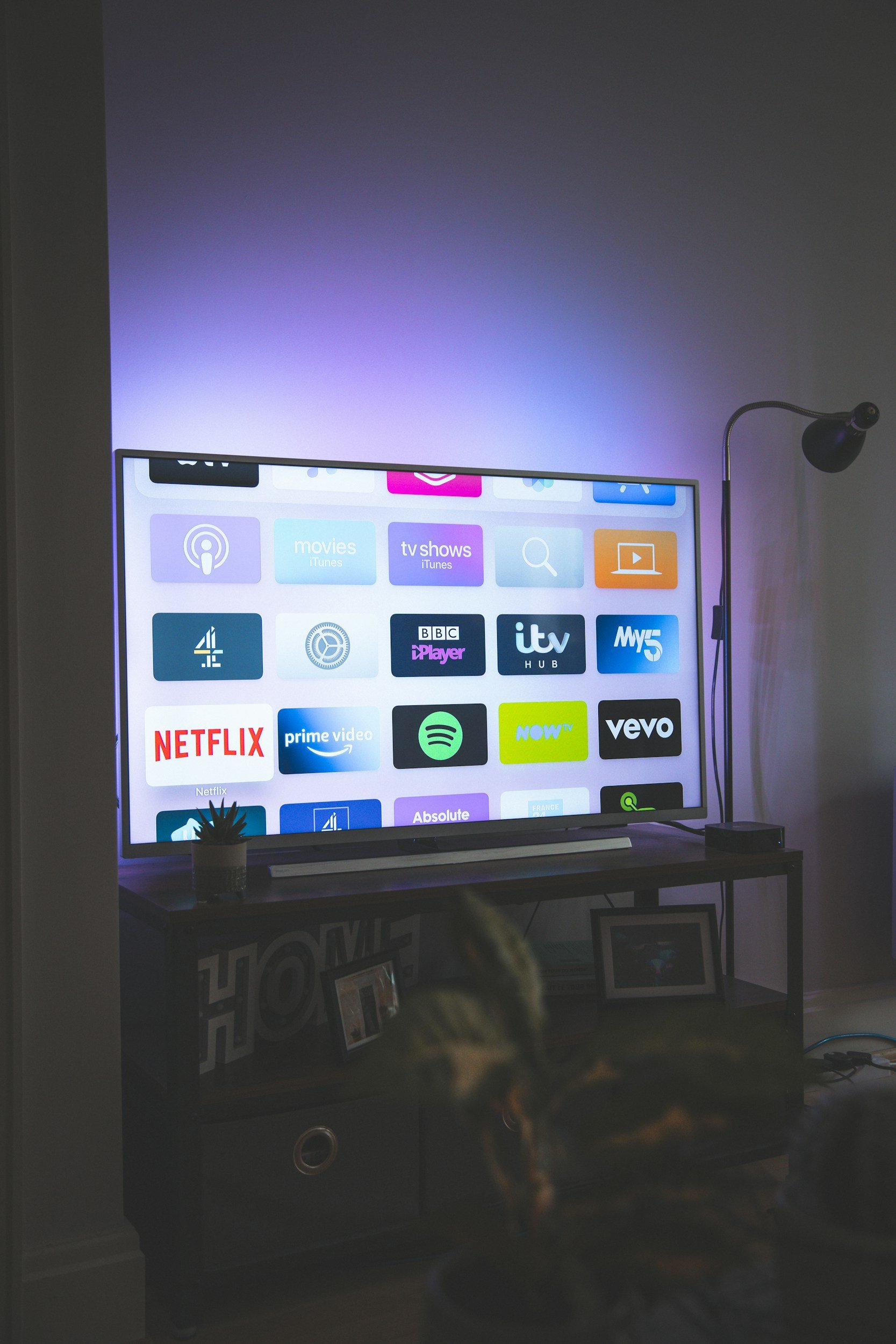
Streaming Services: Studying your viewing habits to recommend what to watch next
Social Media: Determining which posts appear in your feed and in what order
Banking: Detecting unusual account activity and alerting you to possible fraud


Limitations of Artificial Intelligence Systems
AI performs well at specific, pattern-based tasks, but its limitations are significant and often overlooked. It does not understand language or ideas in the way people do. Instead, it generates responses based on patterns in data, which means it can produce answers that sound clear and confident but are factually incorrect.
It also struggles with common sense, nuanced judgment, and situations that fall outside what it has been trained on. When context is incomplete or unfamiliar, the likelihood of errors increases. These systems cannot independently verify their own accuracy or take responsibility for the information they produce.
Understanding these limits is essential when evaluating AI-generated content. Knowing what AI cannot reliably do is just as important as knowing what it can. This becomes especially relevant in systems that generate text, images, or other content, which is explored further in the section on Generative AI.
Why Understanding Artificial Intelligence (AI) Matters
Artificial intelligence is now embedded in everyday decision making. AI systems influence which resumes are reviewed by recruiters, how credit scores and loan interest rates are determined, what content appears in social media feeds, how prices are adjusted for flights and products, and which information is prioritized in search results. In most cases, these systems operate in the background, making their impact easy to overlook but significant in real-world outcomes.
Understanding AI matters now because it permeates daily activities across search engines, social platforms, eCommerce, and workplace tools. It can also generate highly realistic content, including text, images, audio, and video, that is increasingly difficult to distinguish from human-created material. This raises new challenges around misinformation, trust, and digital authenticity.
AI literacy does not require coding or advanced technical expertise. It involves recognizing when AI is being used, understanding its role in shaping outcomes, and critically evaluating claims about its capabilities and limitations. These are practical, transferable skills that apply in professional environments, financial decisions, online interactions, and civic participation.
AI systems are not neutral. They reflect the data they are trained on, the assumptions built into their design, and the objectives set by the organizations that deploy them. These factors directly influence outcomes, including potential bias, accuracy, and fairness. A working understanding of AI allows individuals to question these systems, interpret their outputs more effectively, and hold companies and institutions accountable.
As artificial intelligence continues to scale across industries, AI literacy becomes a foundational skill. It supports informed decision making, reduces vulnerability to manipulation or misinformation, and enables more responsible engagement with technologies that increasingly shape modern life.


To understand how newer systems generate content and where their capabilities begin and end, continue to What is Generative AI.
Last Reviewed: May 2026